
When Culture Becomes A Way Of Remembering
A film forgotten after one viewing can become urgent a decade later because the viewer, the culture and the surrounding images have changed.

Tag
Long-form essays and close readings on cinema, images and the ideas surrounding them.
11 posts
A film forgotten after one viewing can become urgent a decade later because the viewer, the culture and the surrounding images have changed.

A film forgotten after one viewing can become urgent a decade later because the viewer, the culture and the surrounding images have changed.

A film forgotten after one viewing can become urgent a decade later because the viewer, the culture and the surrounding images have changed.

A film forgotten after one viewing can become urgent a decade later because the viewer, the culture and the surrounding images have changed.

After losing its screening room, a volunteer film club kept going in libraries, schools and borrowed halls without losing its audience.
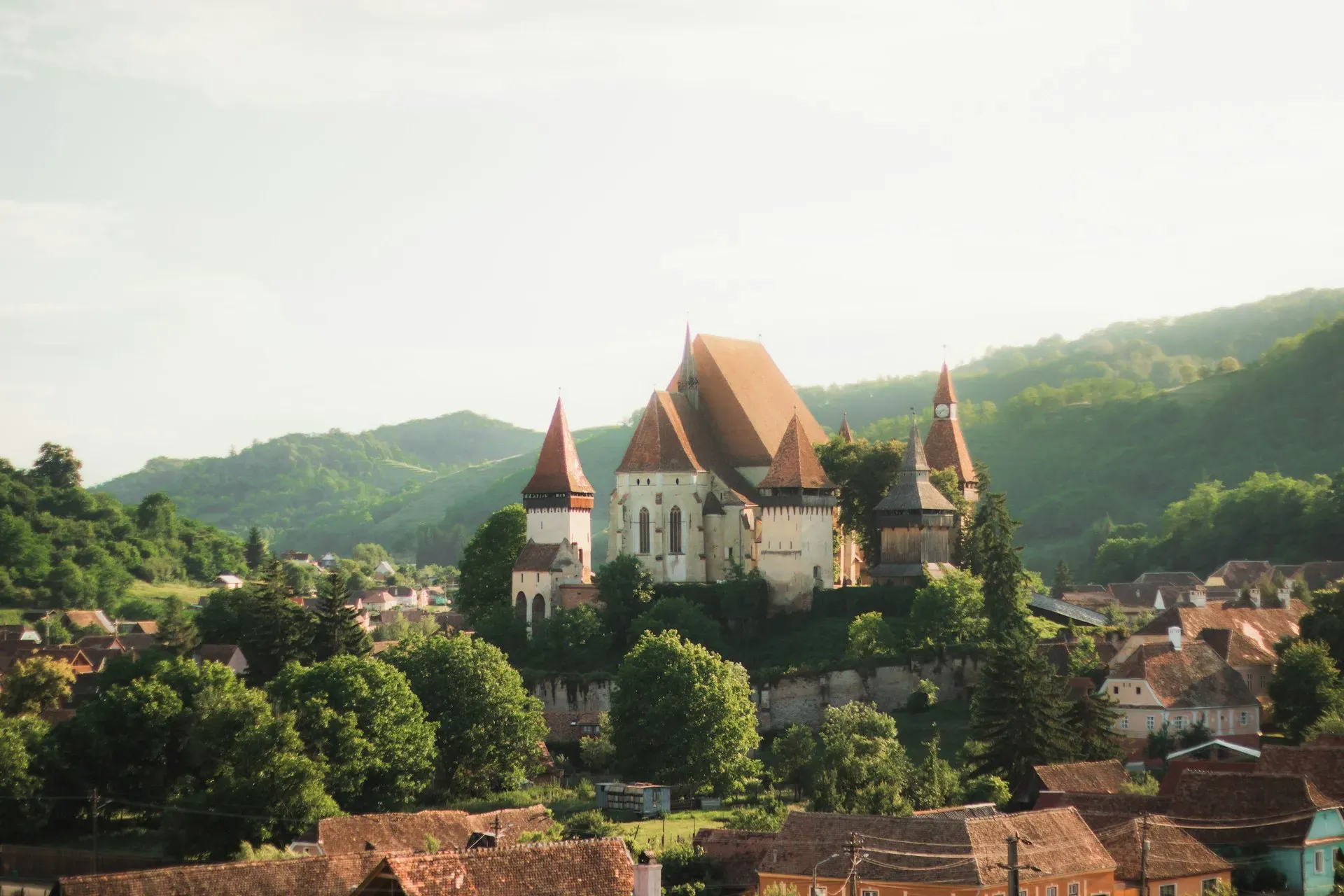
A nearly silent ending asks the audience to stay with an image longer than narrative usually permits—and changes the room in the process.

Digital restoration can recover extraordinary detail, but removing every scratch and fluctuation may also erase evidence of how a film lived.

Empty cinemas have their own acoustics: ventilation, street noise and cleaning carts replacing the concentrated silence of a full screening.

On its final Thursday, a neighborhood cinema filled every folding seat and projected one more film before the keys changed hands.

A film forgotten after one viewing can become urgent a decade later because the viewer, the culture and the surrounding images have changed.

A film forgotten after one viewing can become urgent a decade later because the viewer, the culture and the surrounding images have changed.
A free letter every week. Subscribers also help keep the journal running.
Subscribe