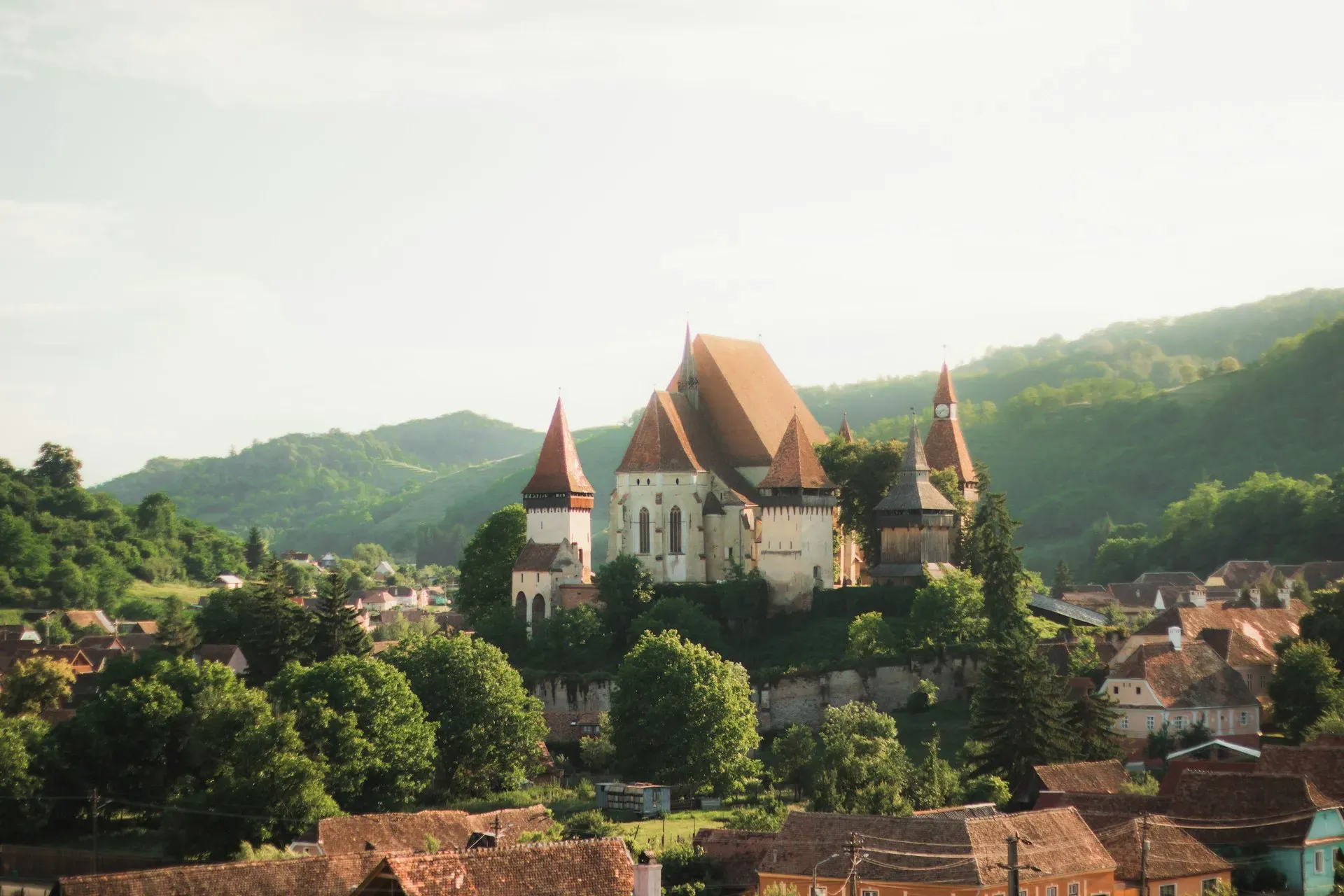
The final scene lasts six minutes. Nobody speaks. A woman sits at a kitchen table while daylight moves across the wall and the soundtrack holds only traffic from another street.
What happens when nothing happens
The scene is not empty. A glass shifts in her hand. A bus passes outside. She looks toward a doorway twice. But the film has stopped giving these details the usual hierarchy of clues.
Silence does not remove information; it changes which information becomes audible.
The audience becomes visible
During dialogue, viewers disappear into the film. During sustained silence, the room re-enters awareness. Someone adjusts a coat. A seat creaks. Breathing becomes part of the soundtrack.

Refusing the release
Most endings accelerate toward explanation, revelation or music. This one does the opposite. It removes the mechanisms that tell an audience how strongly to feel and when to leave.
The result is not automatically profound. Long takes can become mannered as easily as rapid cutting. What matters here is that the duration belongs to the character's uncertainty rather than to the director's display of patience.
By the fifth minute, the image no longer feels like a conclusion. It feels like time continuing after the story has used up its language.
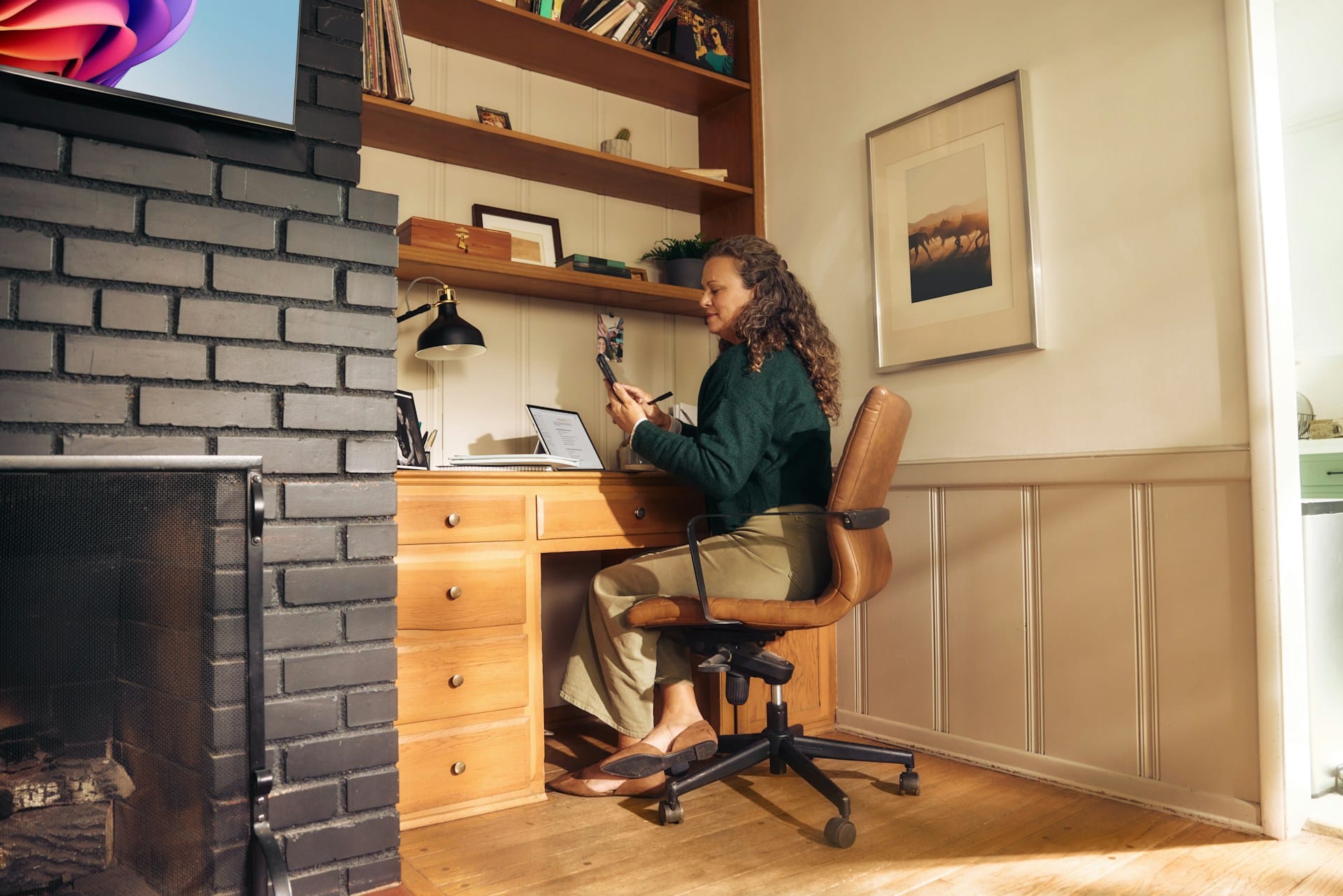
After the cut
The credits arrive without music. For several seconds, nobody stands. The black screen seems connected to the shot before it rather than separate from it.
Outside, people describe the ending with unusual precision: the cup, the window, the second glance toward the door.
Six minutes of almost nothing gave them more to remember than a speech would have.