
The Books That Changed How We See
A film forgotten after one viewing can become urgent a decade later because the viewer, the culture and the surrounding images have changed.
Independent writing on philosophy, cinema, politics, culture and society. Essays, film notes, overlooked ideas, conversations, and reflections on modern life.
Get the latest stories and updates delivered directly to your inbox.
A film forgotten after one viewing can become urgent a decade later because the viewer, the culture and the surrounding images have changed.

A film forgotten after one viewing can become urgent a decade later because the viewer, the culture and the surrounding images have changed.

A film forgotten after one viewing can become urgent a decade later because the viewer, the culture and the surrounding images have changed.

A film forgotten after one viewing can become urgent a decade later because the viewer, the culture and the surrounding images have changed.

A film forgotten after one viewing can become urgent a decade later because the viewer, the culture and the surrounding images have changed.
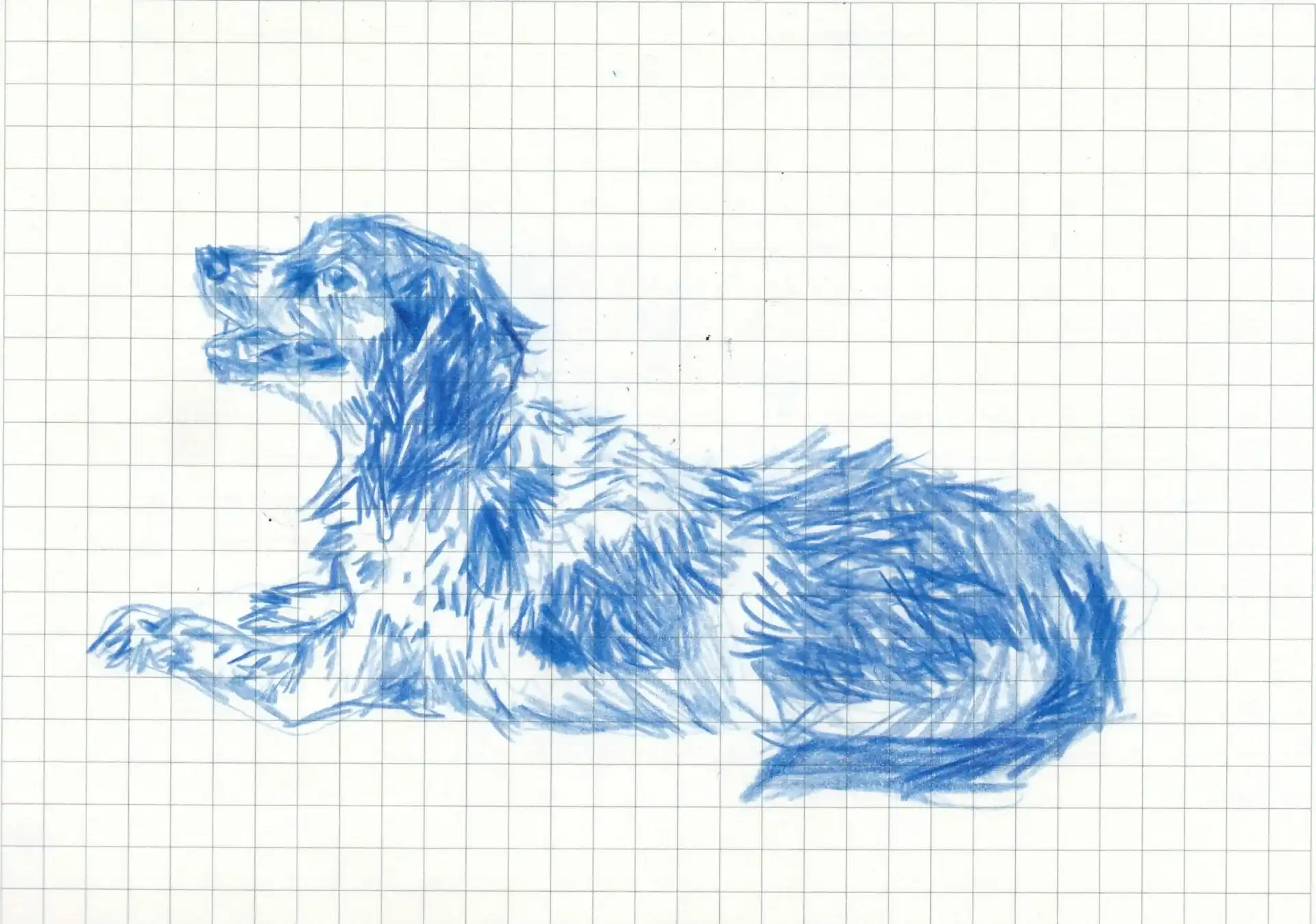
A night projectionist explains the tiny decisions—focus, framing, timing—that shape a screening while remaining almost completely invisible.

Subtitle translation is an art of subtraction: fitting tone, timing and ambiguity into a line that can only stay on screen for seconds.

After losing its screening room, a volunteer film club kept going in libraries, schools and borrowed halls without losing its audience.

Rain, wind and changing light often do more than set a scene; they organize how a film feels and how time passes inside it.
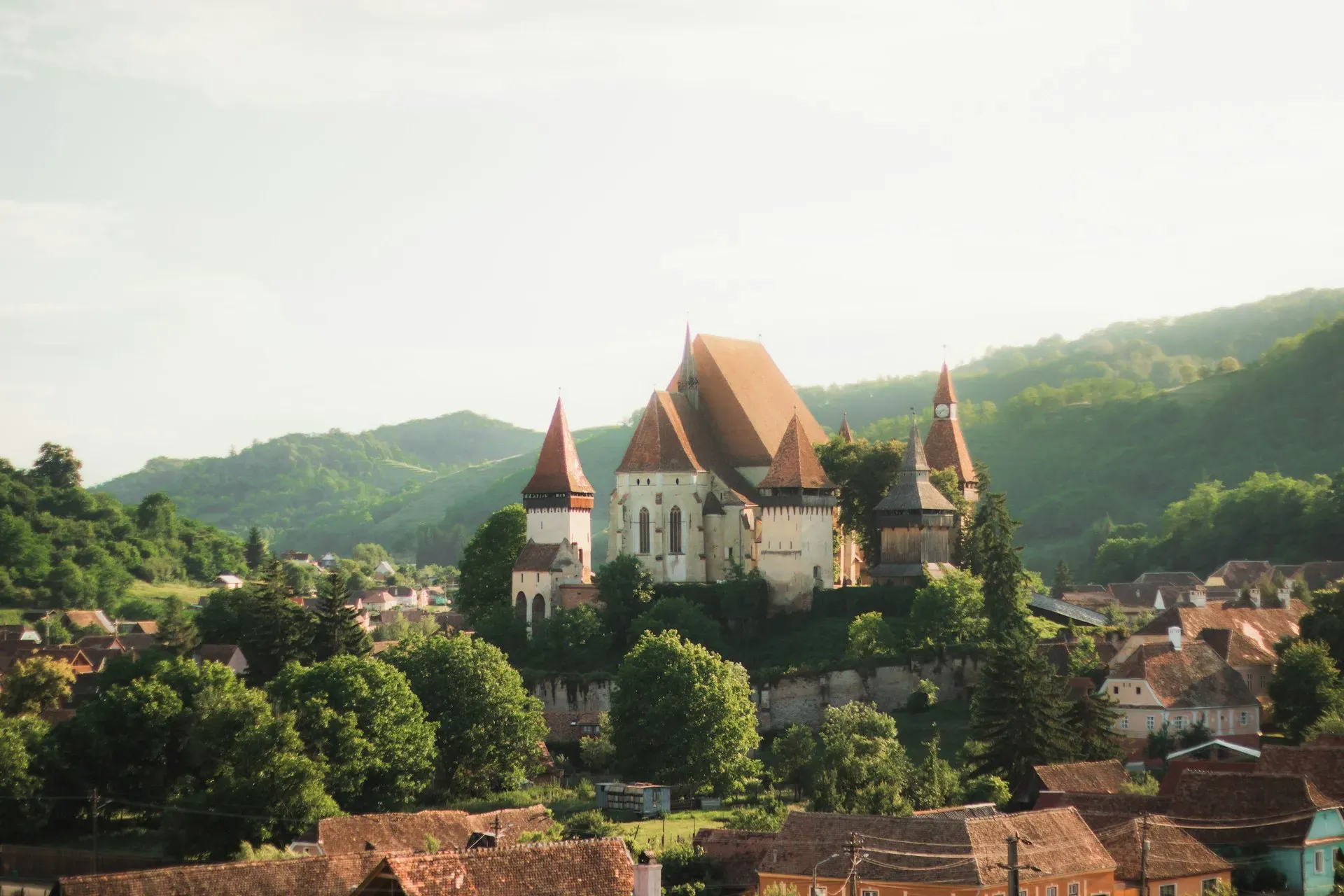
A nearly silent ending asks the audience to stay with an image longer than narrative usually permits—and changes the room in the process.

A mislabeled box of production scraps raises a familiar archival question: who gets to decide which pieces of a film history are disposable?

Look past the actors and another film appears: shop signs, passing buses and ordinary streets documenting a city the script never mentions.

Digital restoration can recover extraordinary detail, but removing every scratch and fluctuation may also erase evidence of how a film lived.
Empty cinemas have their own acoustics: ventilation, street noise and cleaning carts replacing the concentrated silence of a full screening.

Margins, arrows and half-finished sentences reveal a form of criticism written in real time, before an argument knows what it will become.

On its final Thursday, a neighborhood cinema filled every folding seat and projected one more film before the keys changed hands.

A film forgotten after one viewing can become urgent a decade later because the viewer, the culture and the surrounding images have changed.

A film forgotten after one viewing can become urgent a decade later because the viewer, the culture and the surrounding images have changed.
A free letter every week. Subscribers also help keep the journal running.
Subscribe